-
-
-
UG-11 WonderMall Company Bagh Alwar Rajsthan
India’s Last-Mile Mobility Is Being Rewritten And Electric three-wheelers Are Leading the Charge
14
May
India’s Last-Mile Mobility Is Being Rewritten And Electric three-wheelers Are Leading the Charge
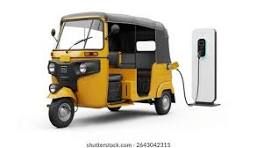
India’s transportation landscape is changing rapidly, and at the center of this transformation is one vehicle category quietly revolutionizing urban and rural mobility alike — the electric three-wheeler.
Rental cost of sport and other cars
Why Last-Mile Mobility Matters More Than Ever
Last-mile mobility refers to the final leg of transportation — the short-distance movement of people or goods from transit hubs to their final destination.
In India, this segment is massive.
Daily commuters, e-commerce deliveries, food logistics, local vendors, and small businesses all depend heavily on quick and affordable transportation. Traditional fuel-powered three-wheelers have served this purpose for decades, but rising fuel prices, pollution concerns, and operational costs are accelerating the shift toward electric alternatives.
And the numbers are proving it.
India has become one of the world’s fastest-growing markets for electric three-wheelers, with adoption rising sharply across passenger and cargo segments.
Why Electric Three-Wheelers Are Winning
1. Lower Operating Costs
For drivers and fleet operators, economics matter most.
Electric three-wheelers significantly reduce running costs compared to petrol, diesel, or CNG vehicles. Charging expenses are substantially lower than daily fuel costs, while maintenance requirements are also minimal due to fewer moving parts.
This directly improves earnings for drivers and reduces logistics expenses for businesses.
2. Perfect for Urban Traffic Conditions
Indian cities demand vehicles that are compact, agile, and efficient in stop-and-go traffic.
Electric three-wheelers are ideal for navigating narrow streets, congested roads, and densely populated markets. Their instant torque delivery also provides smoother acceleration in city driving conditions.
3. Cleaner and Sustainable Transportation
Urban pollution remains one of India’s biggest environmental challenges.
Electric three-wheelers produce zero tailpipe emissions, making them a practical solution for reducing air pollution and improving urban sustainability. As cities continue to focus on cleaner mobility policies, EV adoption is expected to accelerate even further.
4. Growth of E-Commerce and Delivery Networks
India’s booming e-commerce industry has created enormous demand for cost-effective delivery vehicles.
Electric cargo three-wheelers are increasingly being adopted by logistics companies, local businesses, and delivery platforms for:
- Hyperlocal deliveries
- Grocery transportation
- Food delivery operations
- Warehouse-to-retail movement
- Parcel and courier services
The result is faster, cleaner, and more economical urban logistics.
Government Policies Are Accelerating Adoption
India’s EV growth is strongly supported by government initiatives encouraging electric mobility adoption.
Policies such as:
- FAME incentives
- State EV subsidies
- Lower registration costs
- Financing support for EV buyers
- Expansion of charging infrastructure
have made electric three-wheelers more accessible for both individuals and businesses.
Many state governments are also prioritizing EV adoption for commercial fleets and public transport systems.
Rural India Is Joining the EV Revolution Too
The electric three-wheeler story is not limited to metropolitan cities.
Rural and semi-urban regions are increasingly embracing EVs due to rising fuel costs and growing awareness of affordable mobility solutions.
For small business owners, local transport operators, and daily commuters, electric three-wheelers offer a practical balance between affordability and utility.
This widespread adoption is helping democratize electric mobility across India.
Challenges Still Exist
Despite strong growth, certain challenges continue to shape the industry:
- Charging infrastructure gaps
- Battery replacement costs
- Financing accessibility
- Range anxiety in remote areas
- Standardization and quality concerns
However, improvements in battery technology, government support, and private-sector investment are rapidly addressing these barriers.
The Future of India’s Mobility Is Electric
Electric three-wheelers are no longer an emerging category — they are becoming mainstream.
As technology evolves and infrastructure expands, these vehicles are expected to dominate India’s last-mile transportation ecosystem over the next decade.
The shift is not just about sustainability.
It’s about creating smarter cities, reducing operating costs, improving livelihoods, and building a cleaner transportation future for millions of Indians.
At EVXora, we believe electric mobility is more than a trend — it is a transformation that is reshaping the future of transportation across the nation.
And electric three-wheelers are leading that transformation from the ground up.
Conclusion
India’s last-mile mobility ecosystem is being rewritten in real time, and electric three-wheelers are at the forefront of this revolution.
With lower costs, cleaner performance, and increasing accessibility, they are changing how people and goods move across cities, towns, and rural communities.
As adoption accelerates, electric three-wheelers will continue to play a critical role in building a more sustainable, efficient, and connected India.
The future of mobility isn’t approaching.
It’s already on the road.
Recent Post